By Lalitha Viswanathan
When Kris Jenner made a public appearance after undergoing a $100,000 facelift, one headline called it her “fresh new look,” making a major elective surgery sound like the equivalent of a new haircut.
For many media critics and mental health advocates, coverage of cosmetic surgery has long been strange and fraught.
For media ethicists, the intense scrutiny of individual celebrities’ faces and bodies can run afoul of the journalistic imperative to minimize harm. And yet, if coverage strips away the intense medical and financial realities of these surgeries and replaces them with aspiration for a celebrity-like perfection, the procedures can become glamorized.
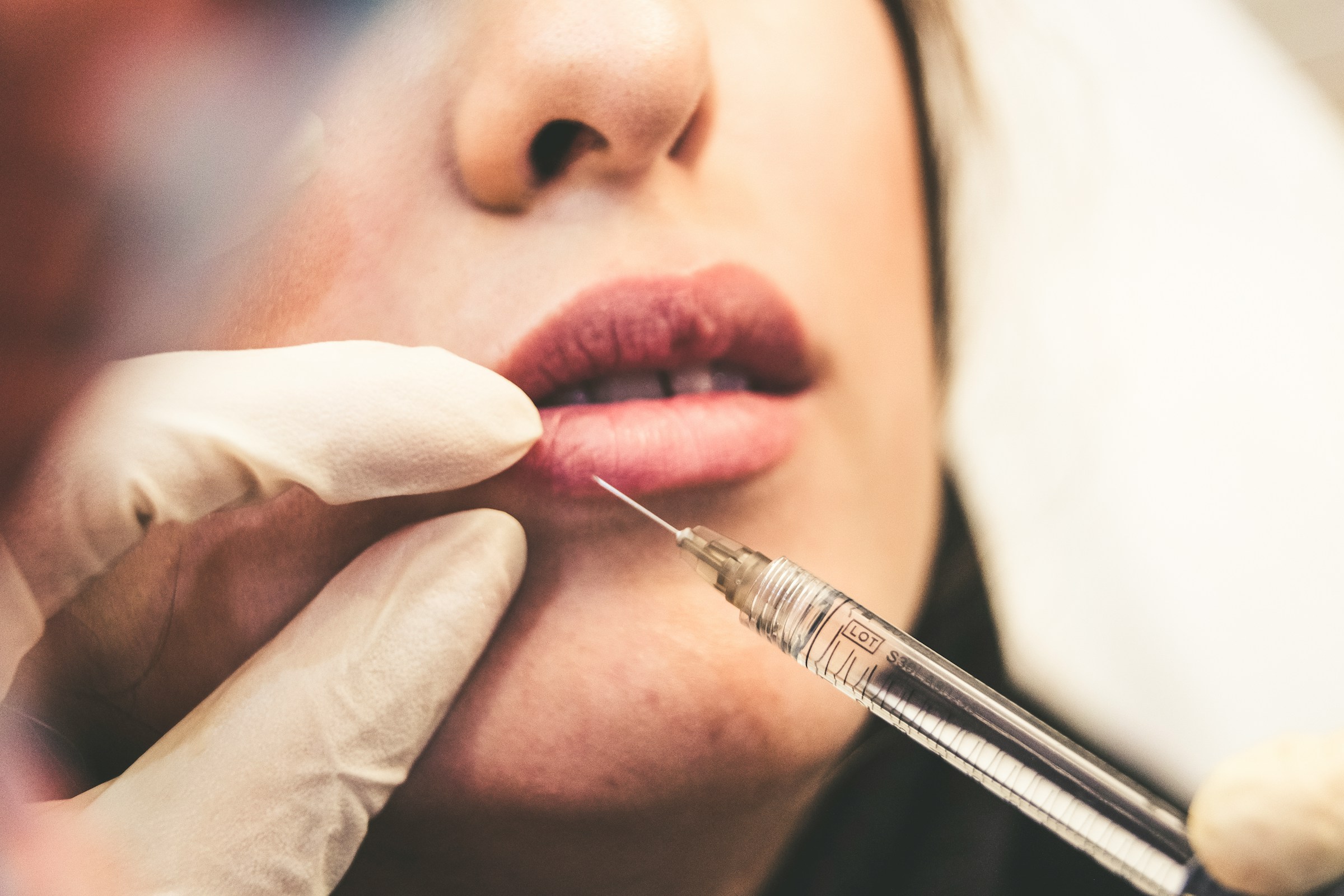
While often covered as “beauty” or “wellness,” cosmetic surgery also deserves to be covered in the areas of health and economics. In addition to medical complications, patients can face financial consequences, and some plastic surgery chains face accusations of predatory practices for business models that provide surgeries at affordable costs but can put patients in sometimes life-threatening situations.
For journalists covering cosmetic surgery, the ethical challenge is navigating the tension between minimizing harm to individuals who have chosen cosmetic surgery and extending much-needed scrutiny to practices that can pose real harm.
A changing trend in coverage
In the early 2000s, celebrity culture and Hollywood reporting were doing big business, with weeklies, gossip columns and paparazzi earning top dollar for celebrity photos. At the same time, the rhetoric around women’s bodies and lives was extremely toxic. In fact, the coverage that Britney Spears received during this time period is now seen as a cautionary tale in how predatory reporting can lead to a mental breakdown. In addition, coverage that consistently promoted being skinny had detrimental impacts on a generation of women.
In today’s media culture, journalists have leaned into their ethical duty to “minimize harm,” making a conscious effort to avoid commenting on physical appearances. And yet this noble attempt to avoid cruelty has also coincided with a major shift in who has storytelling power. Celebrities have gained agency over their own narratives via social media and traditional celebrity magazine newsrooms have been gutted, transforming the role of the reporter.
“[Celebrity reporting today] really is this almost regurgitation of just what, instead of like going to a publicist for a statement, you’re just pulling it directly from the source, whatever they post on their own social media,” said Joanna Arcieri, a doctoral candidate at Columbia University specializing in tabloid journalism.
By pulling directly from the source, journalists often move from being independent watchdogs to acting as a megaphone for a celebrity’s personal brand, including any medical procedures they promote.
The normalization of the “medicalized face”
When journalists stay silent on the clinical risks of aesthetic procedures, they risk amplifying an industry-driven narrative that Rachel Young calls “health citizenship.” Young, an associate professor at the University of Iowa who studies media representations of health and their effect on audiences, describes this as a cultural framing where individuals feel a moral and social obligation to manage their bodies through medical intervention.
“Businesses present it to us that it’s our obligation to do everything we can to prevent wrinkles, or slow aging,” Young said. The industry operates on a ‘problem-solution’ business model that profits from defining natural biological processes as flaws that require intervention. When journalists adopt industry language, such as “smile lines,” they become the messengers for this anxiety. As Young puts it, “You can’t solve a problem if there isn’t a problem.”
When the health citizenship framework is adopted by the media, the natural face becomes alien, and the medicalized face the norm. The media framed Pamela Anderson’s makeup and filler-free face as a shocking departure from her previous sex-symbol status, suggesting that medical intervention is no longer an extra, but the new baseline.
This normalization doesn’t just affect older women, it is also paving the way for the “medicalization of childhood.” Fueled by uncritical media coverage and social media trends, the rise of Sephora kids, pre-teens using serums and creams intended for adults, is a major boon for the cosmetic industry. Journalists risk participating in a system that Young says is “creating a consumer that could potentially be with you forever.”
The ethics of silence: complicity through omission?
Silence on aesthetics does not protect the audience, it leaves them alone with the industry’s sales pitch for solving imperfections and ‘defects.’
Medical aesthetics involve many “Black Box” products, drugs and medical devices that come with serious or life-threatening risks. In 2025, the FDA issued 18 warning letters to websites illegally marketing unapproved and misbranded botulinum toxin products. When a beauty or health journalist covers a trend but stays silent on the risk of disfigurement, filler migration or systemic illness, they have failed in their duty to warn readers about dangers.
“I think it gets glossed over because it’s put in this realm of self-care,” says Cat Matta, a journalist with extensive experience in the pharmaceutical and beauty industries. “Even with [celebrities] being transparent about their own procedures, it kind of minimizes the risk involved with them both mentally and physically.”
Why do news outlets typically subject heart or disease medications to health-beat standards while botox and fillers go to the realm of wellness and beauty? Journalists can play a stronger role in informing audiences about the significance of elective surgeries, but doing so may require moving that coverage from the celebrity beat to the health beat.
Rethinking coverage: A framework for ethical medical aesthetics reporting
- According to Young, fact-checking is non-negotiable. Instead of writing opinionated pieces about medical aesthetics that point to results, journalists should take the time to understand procedures and their risks, as well as why people choose to seek them, and consult medical professionals for questions.
- Matta strongly advises that every story mentioning a new trend in appearances must include its medical risks and Black Box warnings. A story about a celebrity’s flawless Botox, for example, should also include the price and health risks that accompany it.
- According to Arcieri, to be more ethical and less harmful than the 2000s tabloids, journalists must stop treating the aging process as a “scandal” or “statement” and start treating it as a reality.
A more ethical coverage of aesthetics and plastic surgery will involve shifting coverage from the beauty beat to the health beat.
By turning to medical sources over promotional PR, newsrooms can reinforce the line between credible reporting and the often harmful content found on social platforms and in the beauty beat.
Lalitha Viswanathan is a 2025-26 fellow at the Center for Journalism Ethics and a senior in the School of Journalism and Mass Communication at the University of Wisconsin–Madison.
The Center for Journalism Ethics encourages the highest standards in journalism ethics worldwide. We foster vigorous debate about ethical practices in journalism and provide a resource for producers, consumers and students of journalism.